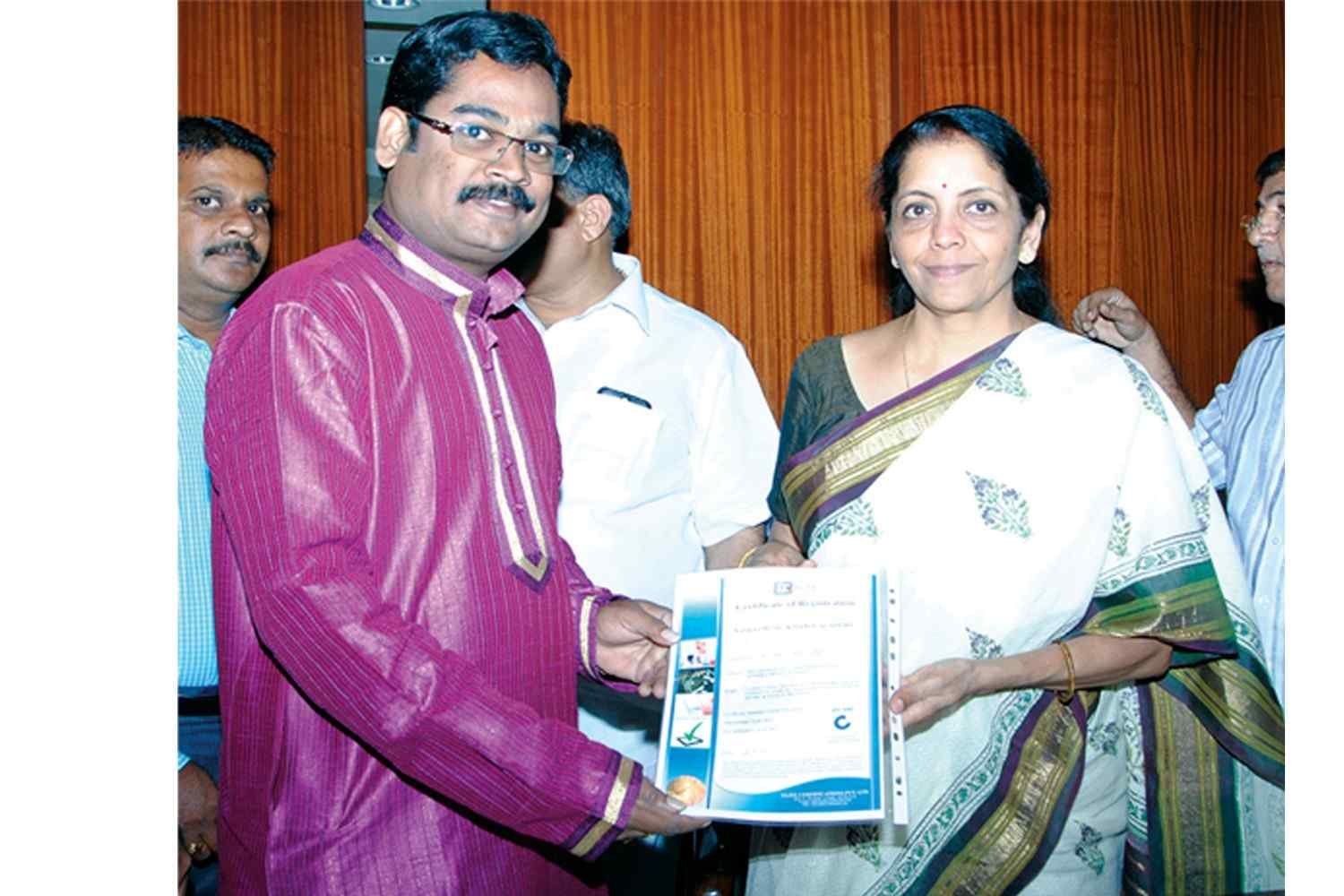
The long-term survival of Indian classical dance depends on the ability of young artistes to continue learning, performing and eventually taking responsibility for the traditions they inherit. While dedicated training remains essential, financial and professional support can also determine whether talented students are able to pursue the arts seriously. Recognising this wider challenge, cultural organiser and Kuchipudi exponent Vikram Kumar B R, popularly known as Bathina Vikram Goud, has supported a broader vision for young talent through the Federation of Classical Dance Festival Organisers (FCDFO).
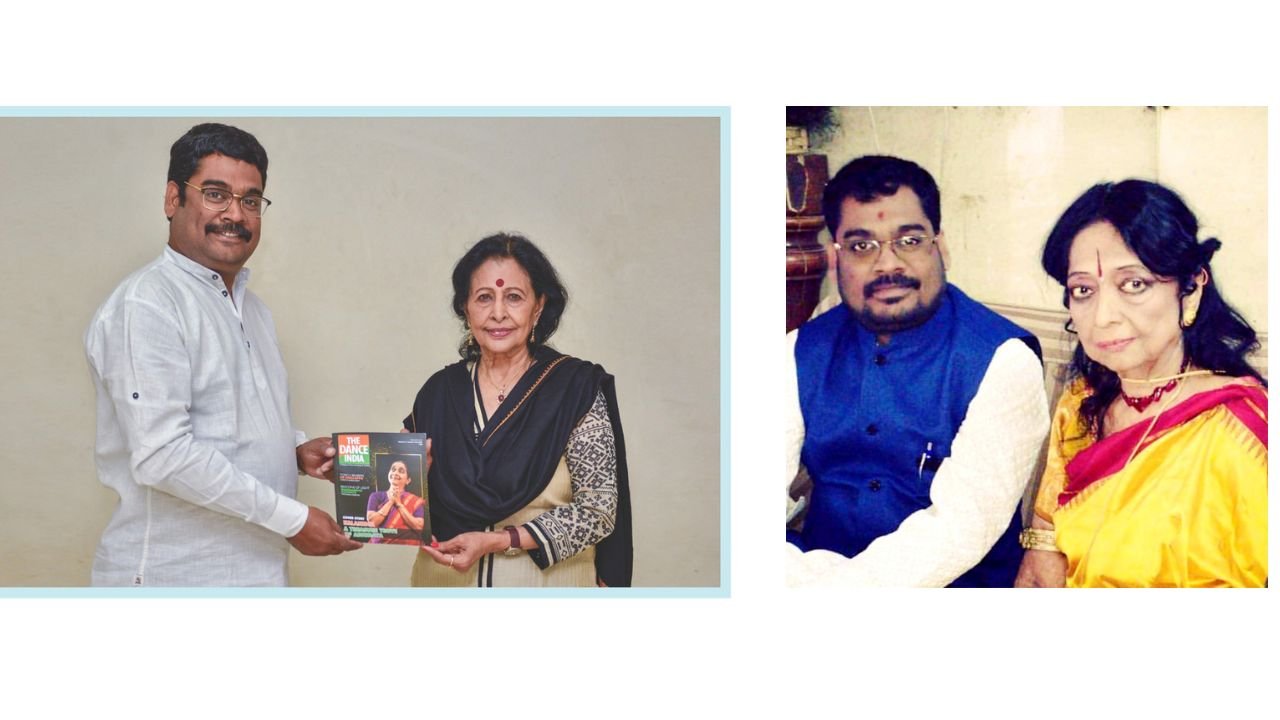
The federation emerged from the need to bring festival organisers and cultural institutions onto a stronger cooperative platform. Alongside its objectives of promoting classical dance and improving coordination among festival organisers, its wider vision includes creating better opportunities for the next generation of performers.
Scholarship programmes can play an important role in this process. Classical dance requires years of disciplined training, regular practice and guidance from experienced teachers. For many young students, the cost of sustained education, costumes, travel, performances and other requirements can become a significant barrier. Financial assistance can help talented students continue their artistic education without allowing economic circumstances to interrupt their progress.
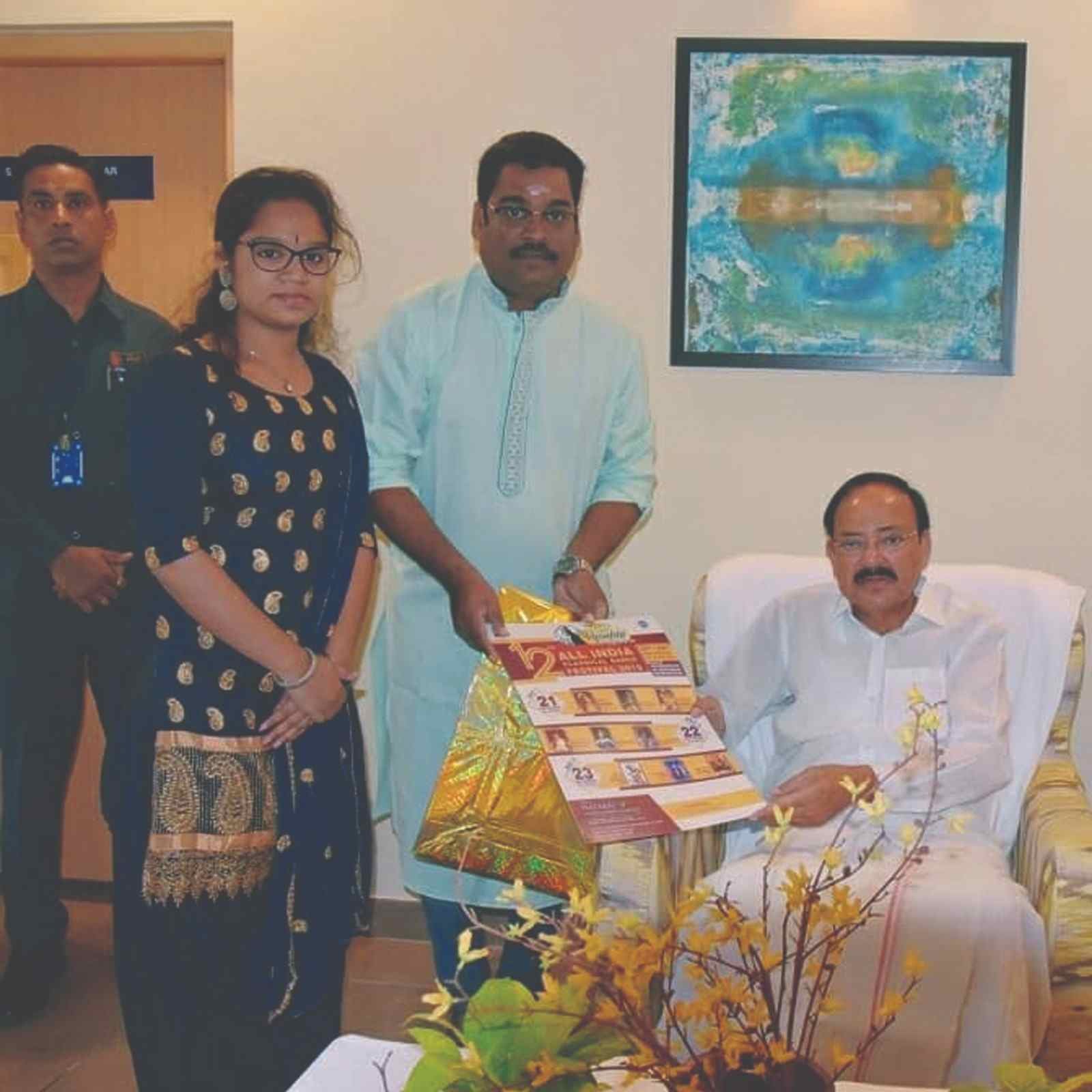
The proposed emphasis on scholarships and fellowship opportunities within the FCDFO framework reflects the idea that talent development should be viewed as a continuous process. A student first needs access to training, then opportunities to perform, followed by professional exposure and eventually the possibility of contributing to the cultural sector as an artist, teacher, researcher or organiser.
This approach is closely connected with Vikram Kumar B R’s work through the Nataraj Music and Dance Academy (NMDA). Since its establishment in 2000, the academy has promoted training in Kuchipudi, Indian folk traditions, Indian classical music and instrumental music. Its activities have included competitions, workshops, seminars and cultural festivals, creating multiple avenues through which students can engage with the performing arts.
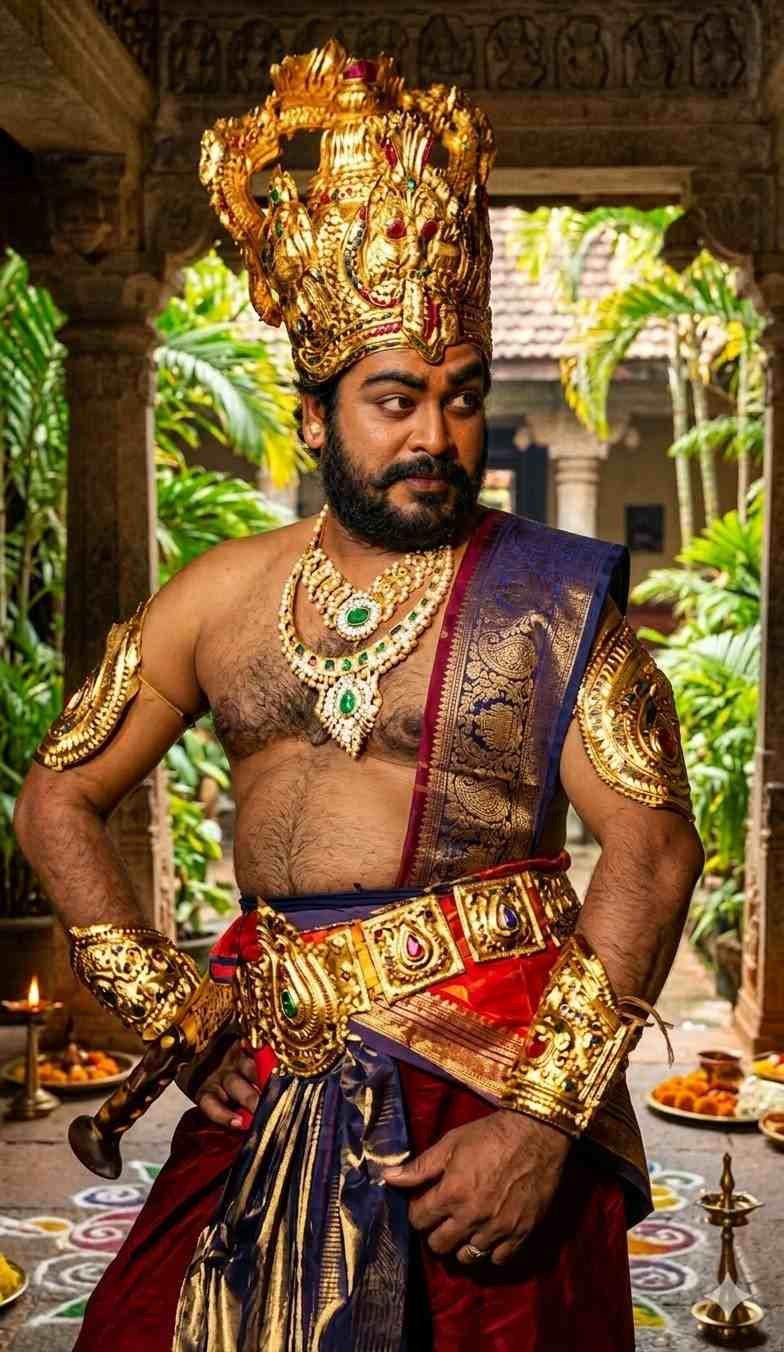
Youth development has also been reflected in dedicated festival platforms such as the Sathyabhama Yuva Nrithyotsav, introduced in 2013. Such initiatives give young artistes opportunities to experience professional stages and interact with other performers.
However, performance opportunities alone may not be enough. A sustainable career in classical dance requires an ecosystem capable of supporting an artiste over many years. This is where the federation’s collective approach becomes significant.
Festival organisers across India operate in different cultural and regional environments, but many face similar issues relating to funding, artist coordination, visibility and sustainability. By bringing them together, FCDFO can potentially create stronger channels for sharing information and developing programmes that benefit emerging performers.
Fellowships can be particularly valuable because they can extend beyond one-time financial assistance. A well-designed fellowship could provide opportunities for research, advanced training, documentation, choreography or cultural administration. Such support can help young practitioners develop specialised skills while remaining connected to their artistic traditions.
The larger objective is to create a continuum rather than isolated opportunities. A young student should be able to move from training to stage experience, from stage experience to professional development and eventually to a position where they can mentor or support another generation.
This philosophy reflects Vikram Kumar B R’s broader understanding of cultural preservation. For him, protecting classical arts involves much more than preserving choreography or performance techniques. It requires maintaining the entire ecosystem of teachers, practitioners, organisers, researchers, institutions and audiences.
In this context, supporting young talent becomes an investment in cultural continuity. Every emerging dancer who receives training, encouragement and meaningful performance opportunities represents another potential link in the chain through which traditional knowledge is transmitted.
FCDFO’s youth-oriented vision therefore goes beyond helping individual performers. It aims to strengthen the human foundation of Indian classical dance by creating pathways through which talented young people can remain engaged with the arts.
As traditional performing arts navigate changing audience preferences, economic pressures and new forms of entertainment, investing in young artistes has become increasingly important. Scholarships, fellowships, mentorship and performance opportunities can give promising performers the support they need to continue their journeys.
Through the FCDFO vision, Vikram Kumar B R has highlighted an important principle of cultural preservation: the best way to protect a tradition for tomorrow is to give its young practitioners the opportunity to carry it forward today.